Choosing Organic Pillow Materials: A Brand-Centered Buyer's Guide
A National Geographic–tinged exploration of how to pick organic pillow materials, anchored in the reputations and certifications of trusted brands such as Naturepedic, Savvy Rest, Obasan, and Healthy Choice. Learn how to interpret loft, temperature regulation, and durability through the lens of textiles, ethics, and standard-setting bodies like GOTS, GOLS, and OEKO-TEX.
Introduction: The quiet evolution of sleep comfort
Across cultures and centuries, sleep has been both a private ritual and a shared human need. In modern homes, the pillow is not merely a support for the head; it is a archive of materials science, ethical sourcing, and design intention. The rise of organic pillow materials marks a deliberate shift: a desire to align the intimate act of rest with transparent supply chains and verification by independent standards bodies. This buyer’s guide centers on four brands that have become touchstones in the conversation about organic textiles and responsible manufacture: Naturepedic, Savvy Rest, Obasan, and Healthy Choice. Each brand embodies a philosophy that comfort should not come at the expense of health, ecosystems, or workers' well-being.
We will survey the principal organic materials used in these brands—organic wool, organic kapok, and organic latex—alongside the role of certifications such as GOTS (Global Organic Textile Standard), GOLS (Global Organic Latex Standard), and OEKO-TEX. The goal is not to champion a single material, but to empower readers to compare options with nuance: how loft behaves over time, how cooling and moisture management work in practice, and how care routines contribute to long-term organic integrity.
A quick primer on the major organic pillow materials
The landscape of pillow fillings is a study in contrasts. Organic wool, sourced from responsibly managed farms, brings natural temperature regulation and resilience. Kapok—a lightweight fiber drawn from seed pods—offers an airy feel that veers toward a lighter loft. Organic latex, particularly in shredded form, delivers a springy, contouring support while maintaining breathability. Each material carries distinct advantages depending on sleep position, climate, and personal sensitivities.
When brands publish specifications, readers should pay attention to the exact certifications and the origin of the materials. A wool pillow labeled 100% organic wool and wrapped in a GOTS-certified organic cotton cover, for instance, communicates a clear chain of custody from farm to finish. A shredded latex pillow might emphasize GOLS and GOTS together, signaling that both the latex and the fabric encasement adhere to robust organic standards.
Brand-by-brand material deep-dive: what to expect
Naturepedic
Naturepedic regularly foregrounds organic cotton and organic latex in its pillow lines. Their products often feature GOTS-certified organic cotton and shredded organic latex, designed for breathable loft and allergen resistance. In pillows such as organic latex variants and down-alternative designs, the emphasis is on clean, transparent sourcing and careful manufacturing practices. The brand frequently highlights certifications and ethical sourcing as integral to the product narrative.
Practical takeaway: look for shredded latex or latex core options with a GOTS and GOLS pairing, and confirm care instructions that protect the integrity of the organic components.
Savvy Rest
Savvy Rest is known for heightened customization and a focus on natural fills such as shredded latex, organic wool, kapok, and blends. Their products often emphasize adjustability, enabling sleepers to tailor loft after purchase. The brand frequently emphasizes that fills are real, natural materials without synthetic blends, and uses organic cotton or wool coverings with accessibility to adjustable options.
Practical takeaway: for readers who prefer to tune firmness and loft over time, Savvy Rest’s modular approach can be a compelling reason to choose a pillow with an adjustable fill system.
Brand-by-brand material deep-dive: Wool, Kapok, and Latex in practice
Organic Wool Pillows
Wool pillows are prized for temperature regulation—wool tends to stay cool in the summer and warm in the winter. They also resist dust mites and provide natural loft that can be adjusted through outer covers and inner wool amounts. Brands like Obasan and Healthy Choice frequently emphasize GOTS-certified wool fills and organic cotton shells to maximize comfort while maintaining organic integrity.
Typical loft: moderate to high, depending on the amount of wool; care often centers on spot cleaning and the avoidance of machine washing the wool core.
Organic Kapok Pillows
Kapok is light, airy, and often used as a down-alternative. It creates a soft, lower-profile loft and can be a good option for those who prefer a pillow that feels less dense yet supportive. Savvy Rest and other specialty brands offer kapok-filled models with organic cotton covers to maintain breathable, plant-based comfort.
Practical note: kapok pillows are typically not fully adjustable; their performance hinges on the natural loft and the cleanliness of the outer cover.
Organic Latex Pillows
Latex—especially organic Dunlop or Talalay latex—offers durable resilience and excellent contouring. Shredded latex options provide adjustability in loft, while solid latex cores deliver steadier, springy support. GOLS certification ensures the latex is produced with organic standards from harvest to processing. These pillows often pair with GOTS-certified cotton covers to ensure the entire product remains within organic parameters.
Practical note: look for explicit certification statements on both the latex and the cover; shredded latex models often enable loft customization through filling adjustments.
Reading product descriptions: how to compare loft, cooling, and care
A robust product description does more than list materials. It tells a story of how a pillow performs in daily life. Key signals include:
- Loft and fill weight: look for explicit loft descriptions (low, medium, high) and weight ranges for the fill. Adjustable fills or layered constructions often signal long-term customization possibilities.
- Certifications: GOTS, GOLS, and OEKO-TEX are the triptych of standards that reassure organic integrity and safety. Understand what each cert covers—GOTS for textiles, GOLS for latex, and OEKO-TEX for general textile safety.
- Care guidance: care instructions reveal how to preserve organic materials. Wool often requires spot cleaning, while latex and kapok may tolerate dry cleaning or spot care with attention to the outer shell's longevity.
- Origin and supply chain: transparent sourcing from certifying bodies and clear farm-to-finish storytelling indicate a brand’s commitment to ethical practices.
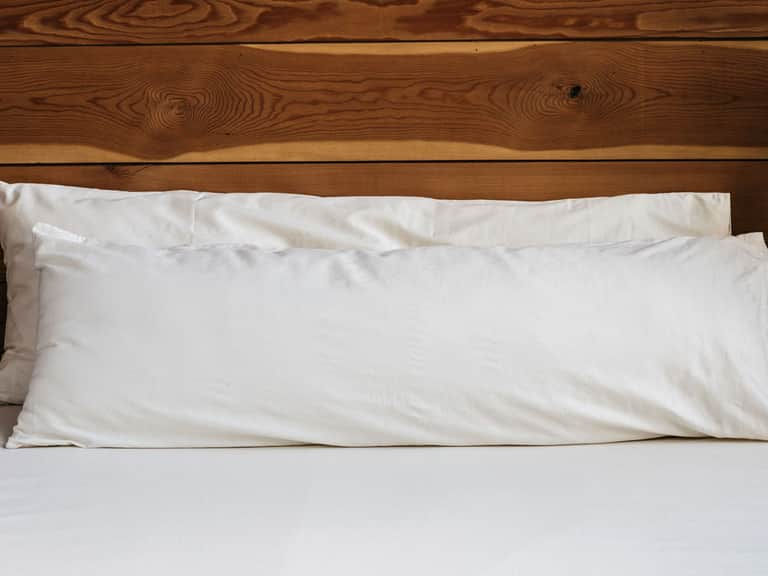
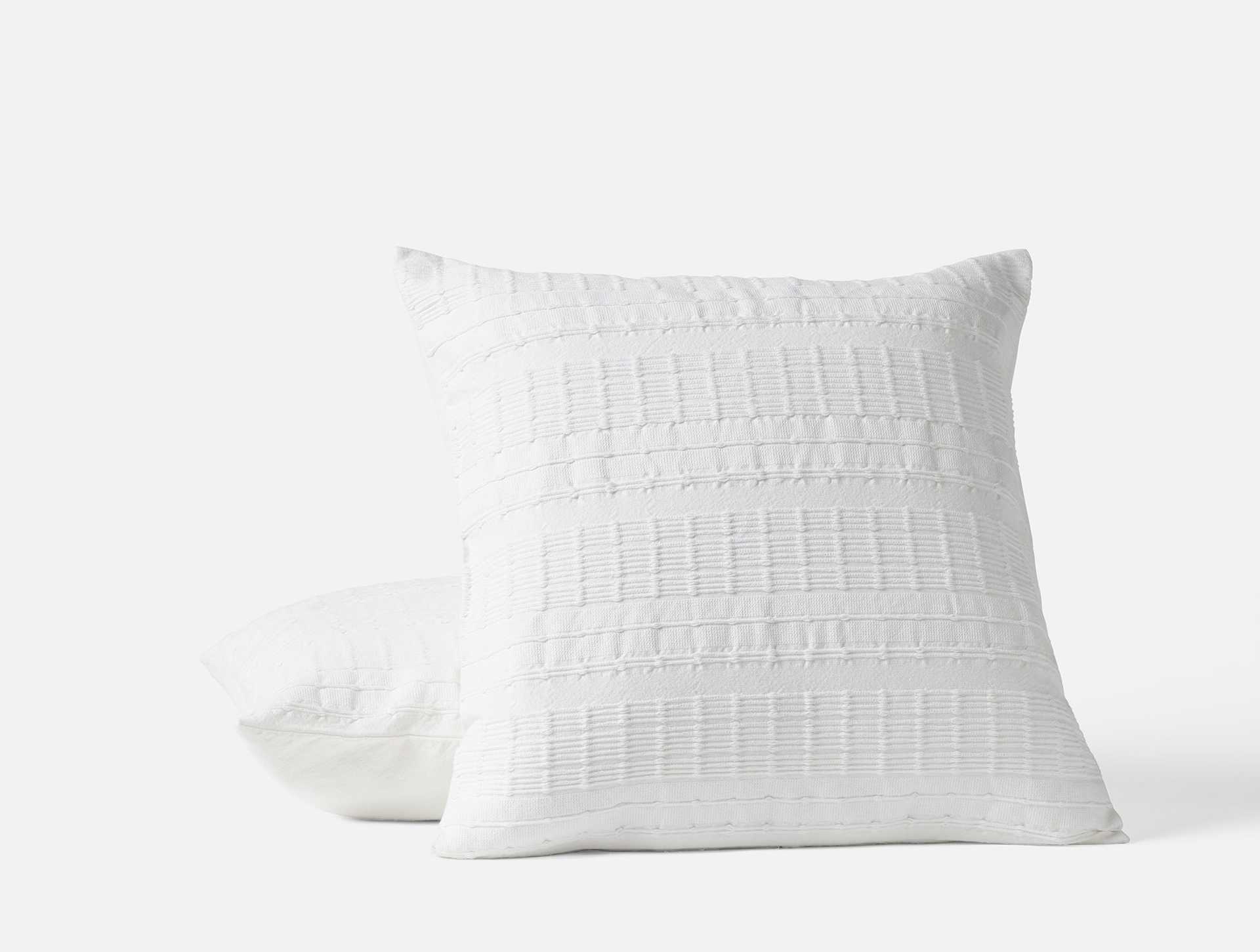
In the following section, we translate these signals into practical buying tips you can apply to real products, including those listed in our catalog: Sea Ridge Organic Decorative Pillow Cover (a textile accent that pairs with organic inserts), Certified Organic Body Pillows (a robust example of wool-filled, long-length support), and Down Feather Throw Pillow Insert (a traditional decorative option with an organic shell).
Practical buying tips for organic pillow shoppers
Match materials to sleep position
Side sleepers often benefit from a higher loft to keep the head, neck, and spine aligned. Back sleepers may prefer medium loft with a supportive fill that maintains shape. Stomach sleepers typically require a flatter profile to reduce neck strain. Organic wool and latex blends can offer the best mix of support and breathability for varied positions. Kapok can be a lighter option for those who run warmer or prefer a less dense feel.
Read the certifications, then verify the supply chain
Certifications serve as a map of trust. A pillow labeled GOTS and GOLS indicates organic cotton or latex processes meeting global standards. OEKO-TEX indicates a safety evaluation for textiles. Cross-check the brand’s materials to ensure the specific pillow fill and cover align with the stated certifications, and verify whether the full product carries those seals or just components do.
A practical buying workflow for organic pillows
- Identify your sleep position and preferred loft: determine if you need high, medium, or low loft and whether you want adjustability.
- Choose a core material aligned with your climate and sensitivities: consider wool for temperature regulation, latex for resilience, kapok for a lighter feel, or a down-alternative for plush comfort.
- Check certifications and origin: ensure materials and manufacturing align with GOTS, GOLS, or OEKO-TEX standards where applicable.
- Evaluate care requirements and expected longevity: determine whether you are willing to spot-clean, machine-wash, or hand-wash components; anticipate how the loft will change over time.
- Consider insert or cover options: some products ship with a removable cover; others are designed to be used with a separate insert (e.g., Down Feather Throw Pillow Insert) to shape aesthetics and ergonomics.
A note on brand alignment and editorial integrity
This article centers on brand-relevant materials and certified practices to illuminate readers’ decision-making without veering into paid endorsements. Where a product fits the organic and ethical framework discussed, it is mentioned with its authentic product link. The intent is to provide readers with a clear, fact-based lens through which to assess options like Naturepedic’s organic cotton and latex offerings, Savvy Rest’s modular fills, Obasan’s fully organic wool solutions, and Healthy Choice’s wool-based pillows.
Glossary of key terms
GOTS — Global Organic Textile Standard. It governs the processing, manufacturing, labeling, and distribution of textiles made from organic fibers.
GOLS — Global Organic Latex Standard. It covers organic latex from the raw material to the finished product, ensuring organic integrity across the latex supply chain.
OEKO-TEX — A set of globally recognized testing and certification systems that evaluate textile products for harmful substances, focusing on consumer safety.
Loft — The height or thickness of a pillow; often described as low, medium, or high loft.
Resource round-up: certifications and reputable brands
For readers who want to deepen their understanding and build an authoritative library of sources, consider these anchor resources:
- GOTS official documentation and certificate databases for textiles and organic fibers.
- GOLS certification documentation and supplier lists for organic latex producers.
- OEKO-TEX certification programs and product-label standards for textile safety.
- Brand-specific educational pages and product care guides from Naturepedic, Savvy Rest, Obasan, and Healthy Choice that detail material sourcing and care requirements.
Conclusion: toward an informed embrace of sustainable comfort
In the end, choosing an organic pillow is an act of mindful consumption. It is a decision that blends personal comfort, planetary stewardship, and transparent supply chains. By examining the materials—whether wool for warmth and breathability, kapok for a light touch, or organic latex for resilience—and by reading the certifications that attest to organic purity, readers can curate sleep environments that honor both health and the ecosystems that sustain us.
This guide has positioned Naturepedic, Savvy Rest, Obasan, and Healthy Choice as representative voices in a broader conversation about organic textiles. It is an invitation to explore the detailed product descriptions, certifications, and care instructions that accompany each pillow, and to approach every purchase as a chance to invest in a healthier night’s rest and a more sustainable future.
Starter product references from our catalog
The following items exemplify how organic principles translate into everyday comforts. They illuminate the spectrum of materials and finishes available for readers seeking to align design, function, and sustainability.